Dear , Yesterday, I shared a post with you: Scarcity begets scarcity. Abundance begets abundance. Here is the summary: Psychology says the reason some people seem to have effortless success isn’t luck or talent — it’s that they’ve trained
themselves to see every decision as a move that either opens future options or closes them, and most people never develop that visionKey Psychological Insights - People with high Consideration of Future Consequences (CFC)—a learnable trait from research in the Journal of Personality and Social Psychology—consistently achieve better outcomes in health, finances, and relationships by thinking ahead.
- Decisions create diverging paths (increasing flexibility and opportunities, linked to
adaptive brain processes in studies like one in Nature Human Behaviour) versus converging paths (narrowing options, often chosen for short-term comfort or anxiety relief).
- Decision fatigue (from University of Minnesota research) drains cognitive resources; successful people minimize trivial choices (e.g., routine outfits or meals) to preserve mental energy for high-impact ones.
- Childhood patterns from unstable environments can wire people toward immediate safety over future
planning, but this can be rewired through practices like therapy or meditation.
Why "Effortless" Success Looks That Way The ease is an illusion created by years of compounding small, option-preserving decisions. These individuals: - Pause before reacting to assess: "Does this open something, or close something?"
- Simplify daily routines (e.g., fixed breakfasts, silenced phones, early wake-ups for creative time).
- Say no to
good-but-misaligned opportunities to keep space open.
- Hold identities loosely to avoid self-limiting commitments.
The author shares personal examples: past reactive choices (staying in a draining marriage, safe but uninspiring jobs) closed doors and caused depletion, while recent deliberate ones (declining a demanding program to allow better-aligned invitations) opened paths. A friend's freelancing across fields and diverse relationships kept options
alive. Practical Strategies Highlighted - Build CFC through habit.
- Distinguish and prioritize diverging decisions.
- Practice daily meditation to create space between stimulus and response.
- Protect sacred time (e.g., mornings for writing/meditation).
- Strategically decline to maintain flexibility.
In essence, the article concludes that success compounds like interest through consistent option-aware choices. Anyone can develop
this by gently asking before decisions: "Am I choosing this because it opens something, or because closing feels easier right now?" This mindset shift makes future possibilities visible and cultivable. Until next time... Remember to K.I.C. (Keep It
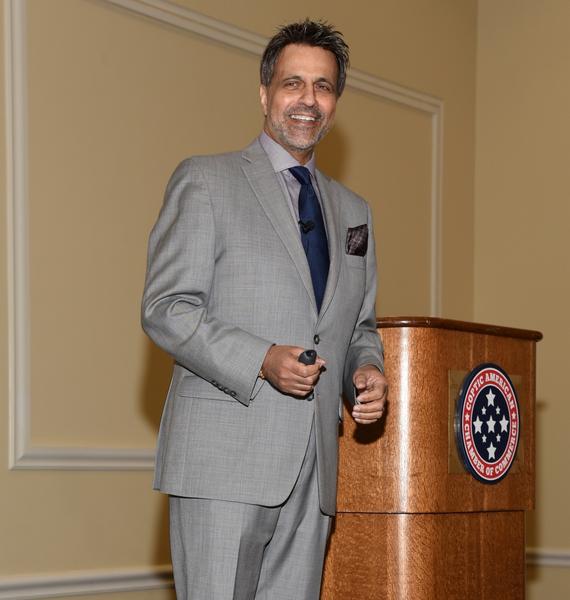
Coptic). To read Nader Anise's bio on Wikipedia, go to: Your friend, Nader Founder of the Coptic Chamber ABOUT NADER
ANISE For the last 30 years, Nader’s talents as a marketing strategist and copywriter have generated hundreds of millions of dollars for himself and his clients. In addition, he is a recognized PR expert, and has been featured in countless media outlets such as: The Wall Street Journal, NBC, CBS, Forbes, Bloomberg and USA Today. Nader’s storied marketing and sales experience has enabled him to mentor business owners in all types of industries, including: legal, medical, financial, therapeutic, mortgage, investment, wealth, retail, insurance, transportation, pharmaceutical, clothing, restaurant, real estate, education, insurance, construction, internet, telecommunications, manufacturing and many others. Nader has educated over 25,000 business owners from all around the world on sales and marketing. To read Nader Anise's bio on Wikipedia, go to: 3 AMAZING FACTS ABOUT NADER ANISE, ESQ. FACT #1: In
2001, Nader wrote a one page press release that generated over $2,200,000 in free national publicity. FACT #2: Within four years of starting his law practice, Nader was featured on the cover of Lawyers Weekly USA section B (currently Lawyers USA) and was lauded for his remarkable achievement of building a "thriving law practice... without spending a penny on
advertising." FACT #3: Nader landed on the cover of the Wall Street Journal after sending the editor a cold email with a subject line that consisted of nine words, including, ONE key, riveting word. (BONUS FACT): Nader wrote a direct mail letter for
a small business that created such an overwhelming response, the owner sent Nader a frantic email with the message: "You're killing me with all the new business. We are busting at the seams and all my employees are freaking out..." Subscribe to our YouTube channel: Did you enjoy this newsletter? Please share it using one of the buttons below: |
|
|